Check Engine Light On in Jamesburg? Here's What to Check First
The check engine light is one of the most misunderstood warning indicators in any vehicle. Some drivers panic and pull over immediately. Others cover it with tape and hope for the best. Neither is the right response. Here's a practical guide to what the check engine light actually means, how to assess urgency, and what to check — or have checked — right away in Jamesburg.
Steady Light vs. Flashing Light: This Distinction Matters
Before anything else: is the light steady or flashing (blinking)? This single distinction changes the urgency completely.
A steady check engine light means the engine management system has detected a fault and stored a diagnostic trouble code (DTC). The issue may be minor or significant, but it isn't an emergency requiring you to stop immediately. You can typically drive the vehicle, but you should have it diagnosed soon — within a few days to a week.
A flashing check engine light means active engine misfiring — combustion is failing in one or more cylinders right now. Unburned fuel is entering your exhaust and can destroy your catalytic converter in minutes. Catalytic converter replacement costs $800–$2,000+. If your check engine light is flashing, reduce speed, avoid hard acceleration, and get to a shop as soon as possible. Do not ignore a flashing CEL.
What to Check First (Before Calling a Shop)
A handful of check engine light causes are things you can diagnose and fix yourself in minutes. Start here before scheduling an appointment.
1. Tighten your gas cap. A loose, cracked, or missing gas cap is one of the most common check engine light triggers. Your fuel system is sealed and monitors for evaporative emissions leaks — a loose cap triggers that sensor. Turn it until you hear one or two clicks. Drive for a day or two and see if the light clears. If you have a cracked or damaged cap, a new one costs $10–$25 at any auto parts store.
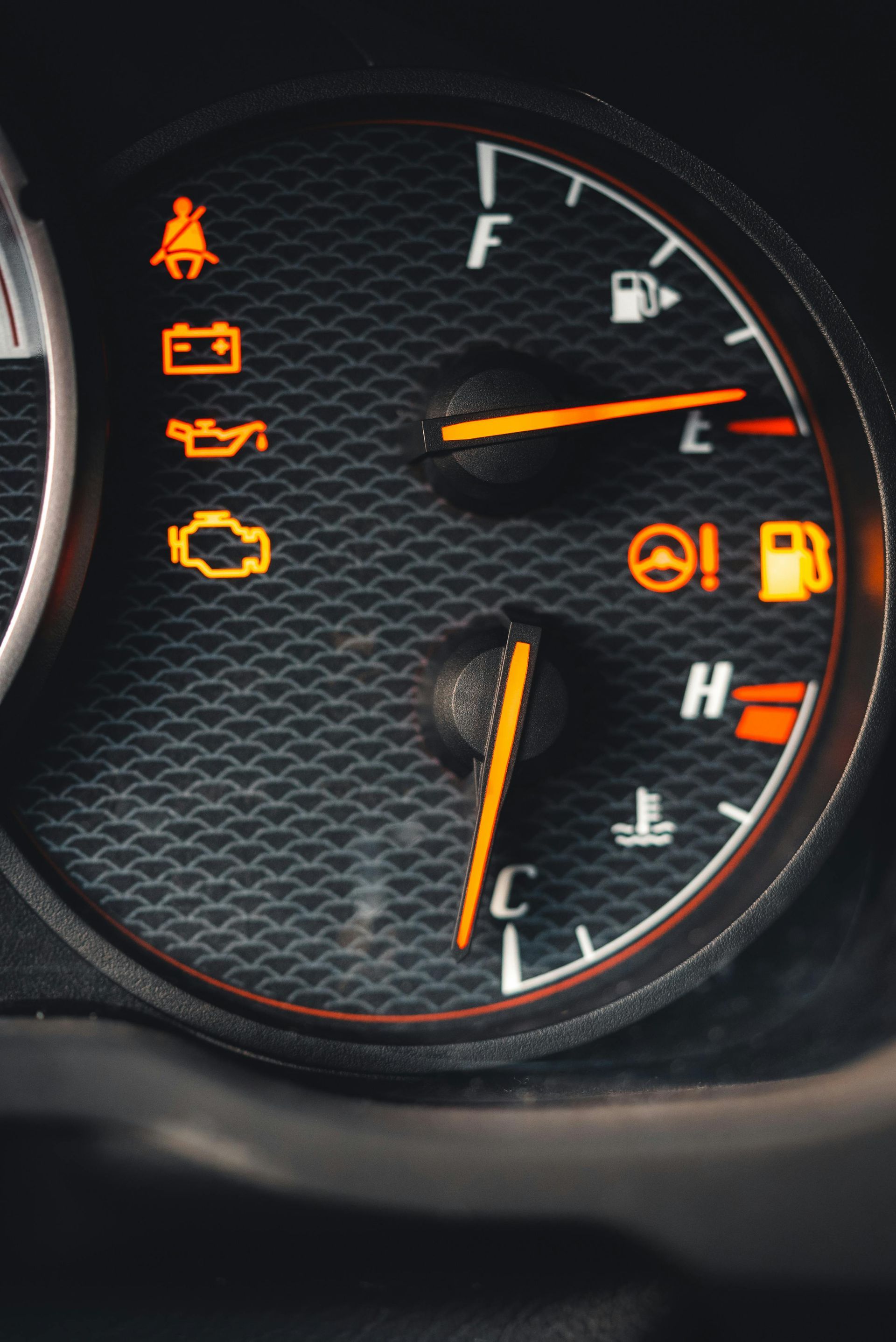
2. Check your other dashboard lights. If the check engine light is on alongside the oil pressure warning (oil can symbol) or temperature warning (thermometer), stop driving immediately. Oil pressure loss and overheating are genuine emergencies. The check engine light on its own is not.
3. Think about what changed recently. Did you just get gas? Did you notice any performance changes (rough idle, hesitation, power loss)? Did the light come on right after a temperature change or rain? Context helps us diagnose faster and saves you money on diagnostic time.
Common Causes by Code Category
Check engine light codes fall into a few categories. Without a scan tool you won't know which one you have — but this gives you a sense of the range.
P0xxx — Powertrain codes cover the engine and transmission. Common low-urgency codes include P0420 (catalytic converter efficiency), P0440/P0442/P0455 (evaporative emissions system — often the gas cap), and P0300-series codes (misfires — potentially urgent if paired with a flashing light). Common higher-urgency codes include P0016/P0017 (cam/crank correlation — can indicate timing chain issues) and P0301–P0308 (specific cylinder misfires).
P0171/P0174 — Lean fuel trim codes are extremely common and have many causes: a dirty MAF sensor (often a DIY clean), a vacuum leak (a hose that's cracked or disconnected), a failing oxygen sensor, a dirty fuel injector, or a failing fuel pump. Lean codes rarely cause drivability problems initially but worsen over time.
P0300-series misfire codes with a steady (not flashing) light are often caused by worn spark plugs, a bad ignition coil, or a faulty fuel injector. These are moderate-urgency repairs — you can typically drive for a few days but shouldn't delay more than a week or two.
Free Code Reads vs. Professional Diagnosis
Many auto parts stores will read your check engine light codes for free. This gives you a code number — but a code number is not a diagnosis. A P0420 code means "catalyst system efficiency below threshold on bank 1." It does not mean "replace your catalytic converter." It could also mean a failing oxygen sensor, an exhaust leak upstream of the cat, or an engine-running problem that's damaging the cat. Replacing the converter without diagnosing root cause first is a common and expensive mistake.
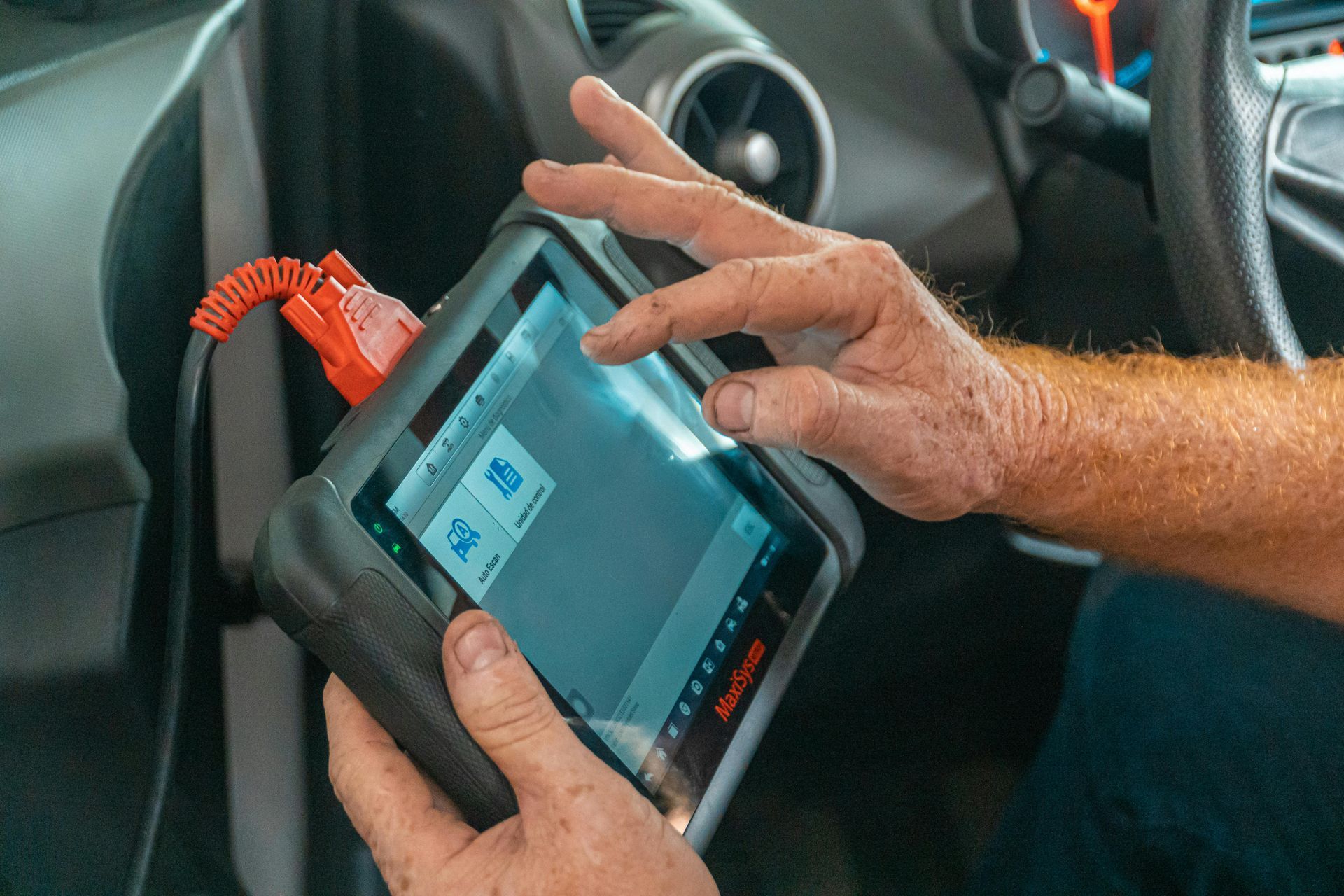
A professional diagnosis with a factory-level scan tool reads live data: fuel trims, oxygen sensor waveforms, misfire counts per cylinder, EVAP system pressures. That data tells us what's actually wrong, not just what system is unhappy.
Get Your Check Engine Light Diagnosed in Jamesburg
At GC Automotive & Performance, our check engine light diagnosis starts at $95 and includes a full factory-level scan, live data review, and a written explanation of what we found and what it will cost to fix. If you authorize the repair, the diagnostic fee is credited toward the job.
We serve Jamesburg, Helmetta, Monroe Township, South Amboy, Spotswood, East Brunswick, and all of Middlesex County. Book online or call 732-605-1222.