
Synthetic vs. Conventional Oil: What Your Vehicle Actually Needs
The synthetic vs. conventional oil debate has been going on for decades, and drivers get conflicting information constantly — from other drivers, from oil change shops pushing upsells, and from manufacturer marketing. Here's the clear, factual version: what the difference actually is, when full synthetic is worth paying for, and when conventional is perfectly adequate.
What's the Actual Difference?
Conventional motor oil is refined from crude oil. The refining process removes many impurities, but the resulting oil still contains some contaminants and has a less uniform molecular structure. This means it breaks down faster under heat and stress, and its viscosity (resistance to flow) changes more dramatically with temperature.
Full synthetic oil starts from a similar base (or sometimes from natural gas via a Fischer-Tropsch process) and is then chemically engineered to have a uniform molecular structure. This makes it more stable at temperature extremes, more resistant to oxidation and breakdown, and better at maintaining viscosity when cold (for fast startup lubrication) and when hot (for film strength under load).
Synthetic blend is a mix of the two — better than conventional, cheaper than full synthetic, and a reasonable middle ground for some applications.
When Full Synthetic Is Worth It (Almost Always for Modern Vehicles)
If your vehicle was manufactured after approximately 2010, there's a very high probability the manufacturer specifies full synthetic oil. Modern engines are built to tighter tolerances — smaller clearances between moving parts — that require the consistent molecular structure of synthetic oil to maintain proper oil film. Running conventional oil in an engine designed for synthetic can accelerate wear and may void warranty coverage.
Full synthetic is also clearly the right choice if you: drive a turbocharged engine (turbos operate at extremely high temperatures and spin at up to 200,000 RPM — they need oil that won't break down or coker under heat), tow or haul regularly (increases engine load and operating temperatures), do a lot of short-trip city driving (engines that never fully warm up accumulate more moisture and combustion byproducts in the oil, which synthetic handles better), or live in a climate with cold winters or hot summers (synthetic maintains viscosity better at both extremes).
When Conventional Oil Is Acceptable
If you drive an older vehicle — pre-2000, with a high-mileage, simple engine — conventional oil may be perfectly adequate and is what the engine was designed around. Some older engines with worn seals actually do better with conventional oil, because synthetic's thinner cold-flow characteristics can cause it to seep past seals that would be fine with conventional.
That said, for most modern vehicles, the cost premium of full synthetic ($20–$40 extra per oil change) is easily justified by the extended change intervals it enables, the reduced engine wear over time, and the protection it provides under demanding conditions.
What About Extended Drain Intervals?
A major practical benefit of full synthetic is longer oil change intervals. Many manufacturers now specify 7,500–10,000 miles between changes for full synthetic, versus 3,000–5,000 miles for conventional. The "every 3,000 miles" rule is outdated for most modern vehicles using synthetic oil.
That said, interval recommendations vary by vehicle, driving conditions, and oil spec. The right answer for your vehicle is in your owner's manual — and we'll tell you exactly what your car needs when you come in.
What Oil Does Your Vehicle Actually Need?
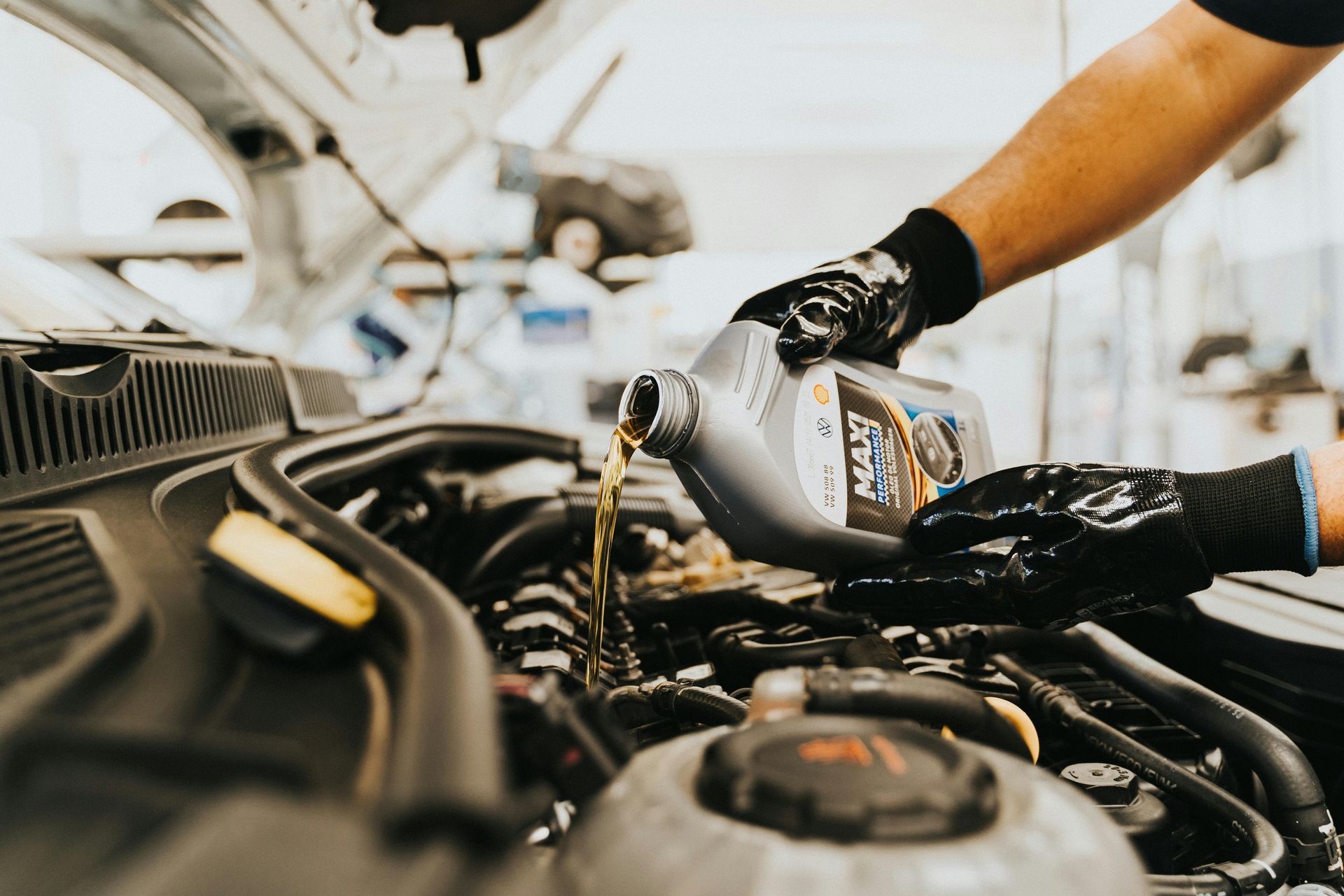
The definitive answer is in two places: your owner's manual (look for the API service category and viscosity grade — e.g., 5W-30) and the oil cap or dipstick area under your hood. Do not rely on what the last shop put in, or what the guy at the counter recommends without checking your spec.
At GC Automotive & Performance, we always use the oil type and viscosity specified by your vehicle manufacturer — and we'll tell you exactly what we're using and why. Book your oil change in Jamesburg online or call 732-605-1222.