How Often Should You Really Rotate Your Tires?
Tire rotation is one of the most skipped services on a maintenance schedule — partly because nothing feels wrong when you skip it, and partly because people aren't sure how often it actually needs to happen. The "every oil change" advice you've probably heard is a reasonable rule of thumb, but the real answer depends on your vehicle, your driving style, and your tires. Here's the complete explanation.
Why Tires Wear Unevenly in the First Place
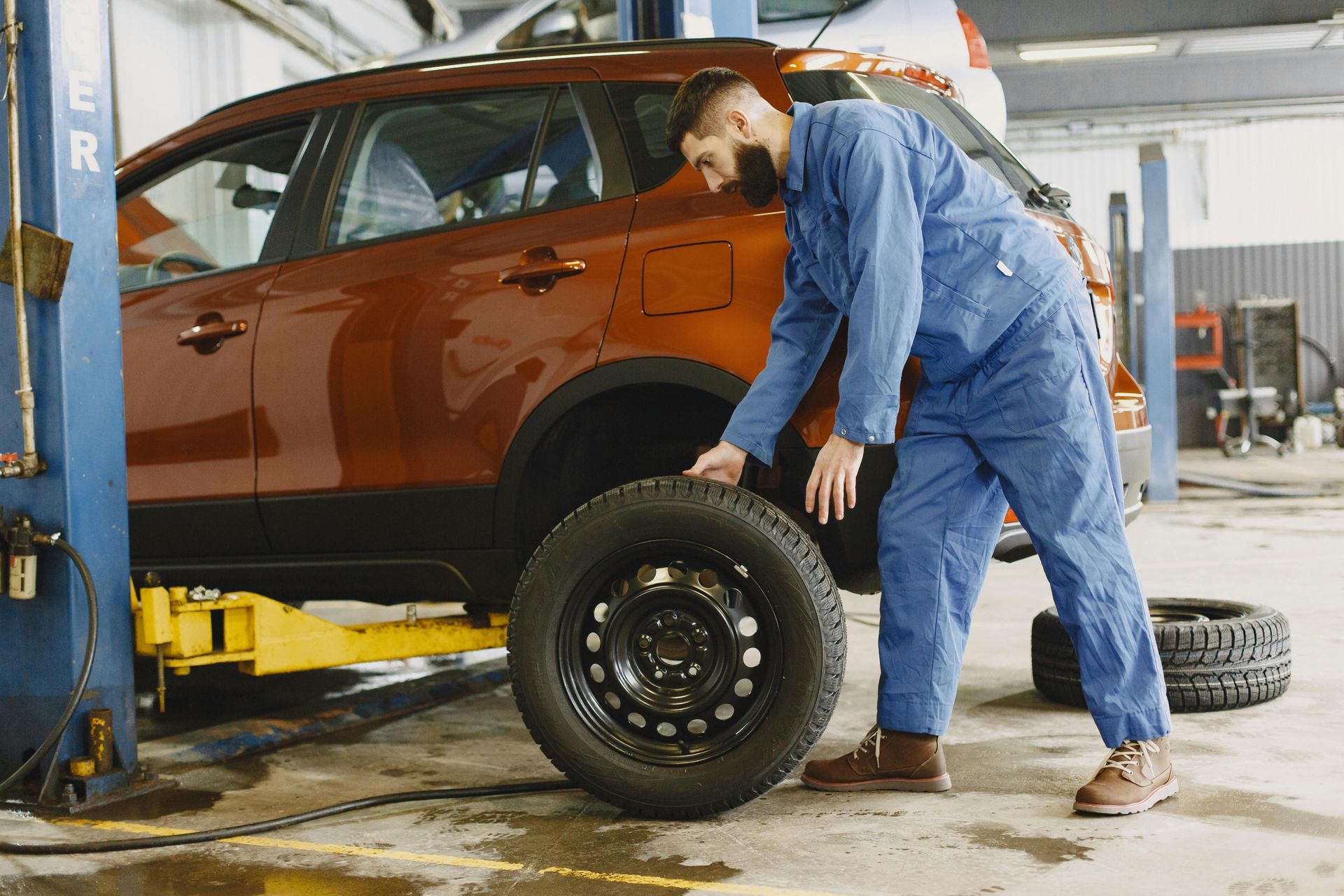
Your four tires don't do the same work. On a front-wheel-drive vehicle, the front tires handle acceleration, braking, and most of the steering input — they typically wear 2–3x faster than the rears. On a rear-wheel-drive vehicle, the rears wear faster from acceleration forces. All-wheel-drive vehicles spread the load more evenly, but even AWD vehicles see uneven wear because front tires steer and rears don't.
Beyond drive layout, your driving style matters. Frequent hard braking, aggressive cornering, and short-trip city driving all accelerate wear. Heavy loads and towing put additional stress on specific axles. The result: without rotation, some tires will wear out significantly faster than others — meaning you replace them individually, at higher per-tire cost, rather than as a full set.
The Official Recommendation (and the Real One)
Most vehicle manufacturers recommend tire rotation every 5,000–7,500 miles. Many tire warranties require rotation at specific intervals to maintain coverage — check your tire documentation. The rule "every oil change" works well if you're changing oil every 5,000–6,000 miles, but if you're on a 10,000-mile synthetic oil schedule, you should still rotate tires more frequently.
The practical shortcut: rotate every 5,000–6,000 miles, or every other oil change if you're on extended drain intervals. If you're not sure when your tires were last rotated, have us check tread depth across all four positions when you come in — uneven wear across axles is a reliable indicator that rotation is overdue.
Rotation Patterns: Not All Rotations Are the Same
How tires are rotated depends on your vehicle's drive layout and whether your tires are directional or non-directional. Non-directional tires (the most common type) can be rotated in multiple patterns — front-to-rear, X-pattern, or forward cross — depending on what's needed. Directional tires (with a V-shaped tread pattern designed to rotate in one direction) can only be moved front-to-back on the same side; they can't cross over without dismounting and remounting.
Staggered-fitment vehicles (sports cars where the rear tires are wider than the fronts) can't be rotated the traditional way at all — they'd need to be dismounted and remounted to cross them. Some manufacturers with these setups recommend simply monitoring wear and replacing individual tires rather than rotating.
When Rotation Isn't Enough: What to Watch For
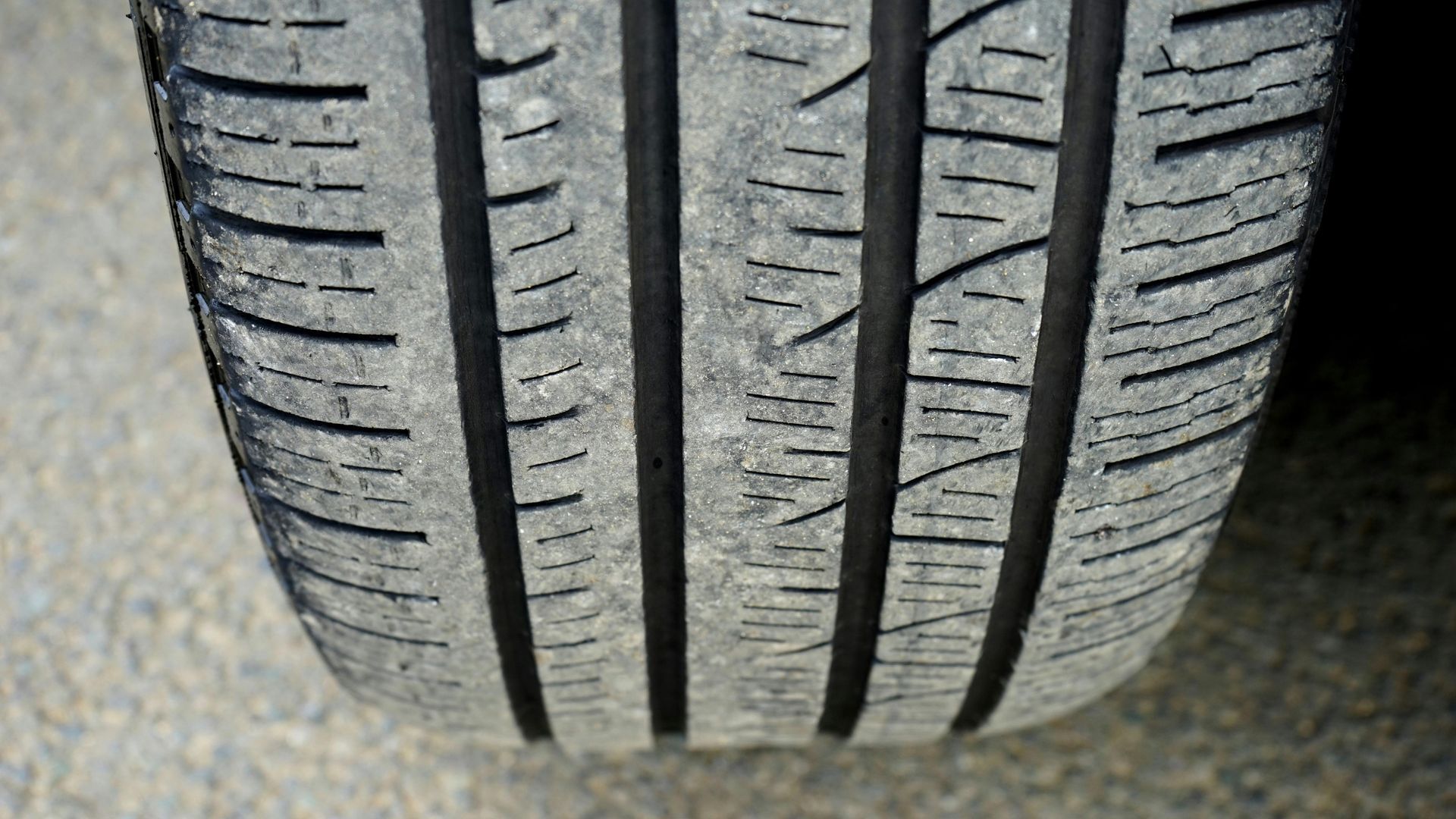
Regular rotation prevents uneven wear — it doesn't fix it once it's established. If you come in with significant cupping, feathering, or edge wear already present, rotation will help prevent it from worsening, but the wear pattern itself won't fully recover.
Cupping (a wavy, scalloped wear pattern) often indicates a suspension problem — worn shocks or struts — rather than a rotation issue. If we see cupping, we'll check your suspension as well, because rotating worn tires over bad shocks just creates more cupping. Feathering (tread blocks worn at an angle) usually indicates an alignment issue. Edge wear indicates chronic underinflation or misalignment.
Rotation + Alignment + Balance: The Right Combination
Tire rotation is most effective when combined with regular wheel alignment checks and tire balancing. Alignment ensures all four tires are contacting the road at the correct angle — misalignment causes tires to scrub sideways even while rolling forward, which no amount of rotation will fix. Balancing ensures the weight is evenly distributed around each wheel, preventing vibration and hop that leads to cupping.
At GC Automotive & Performance, our tire rotation service includes a tread depth check on all four tires, a visual inspection for damage or abnormal wear, and a tire pressure adjustment to spec. Book your rotation in Jamesburg online or call 732-605-1222.