Signs Your Brakes Need Service in Jamesburg, NJ
Most brake problems don't appear without warning. The challenge is knowing which warning signs to take seriously — and which ones mean you should pull over right now. At GC Automotive & Performance in Jamesburg, NJ, we see preventable brake failures every week. Almost all of them started with a symptom the driver noticed but didn't act on.
Here's a plain-language guide to what your brakes are trying to tell you.
1. Squealing or Squeaking When You Brake
Most brake pads have a small metal wear indicator built into them. When the pad wears down to its minimum thickness, that indicator contacts the rotor and creates a high-pitched squeal — that's the sound working exactly as designed. It's your car saying: pads are low, service soon.
This sound often disappears when it's wet outside, which can give a false sense of security. If you hear it consistently in dry conditions, especially when you first apply the brakes, it's time to schedule an inspection. You likely have a few weeks of pad life remaining, but not much more.
Bottom line: Schedule a brake inspection within 1–2 weeks. Don't wait for it to become a grind.
2. Grinding When You Brake
Grinding is what happens after you've ignored the squeal too long. The pad is now completely worn through — there's no friction material left — and bare metal is contacting your rotor. This is damaging the rotor with every stop you make.
A rotor that gets ground down below minimum thickness can't be resurfaced. What started as a $150 pad replacement becomes a $400+ pad-and-rotor job. And in severe cases, the brake caliper bracket can score deep grooves into the rotor that compromise braking performance entirely.
Bottom line: Don't wait. Book a brake inspection immediately. This is the symptom that means today, not next week.
3. Soft, Spongy, or Low Brake Pedal
If your pedal travels further toward the floor than it used to — or if it feels spongy rather than firm — you likely have air in the brake lines or a brake fluid leak. Both conditions reduce hydraulic pressure, which directly increases your stopping distance.
Brake fluid is hygroscopic, meaning it absorbs moisture from the air over time. As moisture content rises, the fluid's boiling point drops, which can cause vapor lock under heavy braking (your brakes temporarily fade or fail). Most manufacturers recommend a brake fluid flush every 2 years regardless of mileage for this reason.
Bottom line: This is a safety issue. Have it inspected the same day you notice it. If the pedal sinks to the floor under pressure, do not drive the vehicle — call us.
4. Pulling to One Side During Braking
If the car veers left or right when you apply the brakes, one caliper may be sticking or one side's pads may be significantly more worn than the other. This creates unequal braking force across the axle — the side with more braking force pulls the car toward it.
A sticking caliper doesn't fully release after braking, which causes that pad to wear much faster than the opposite side. It also generates heat, which can warp the rotor and degrade the brake fluid faster than normal.
Bottom line: Schedule an inspection within the week. Pulling can also indicate a suspension or steering issue, so a comprehensive check is worthwhile.
5. Pulsing or Vibration Through the Pedal
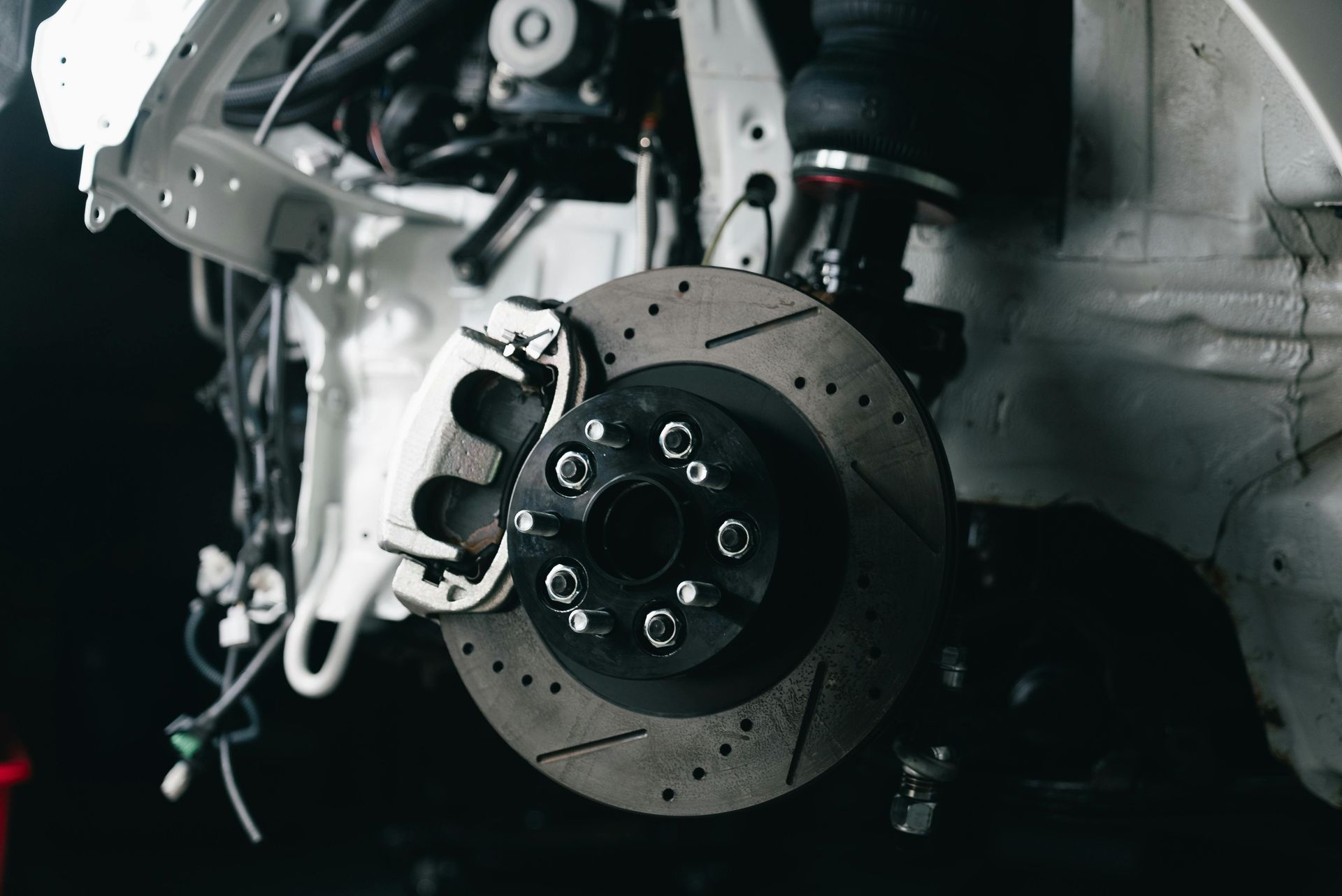
Pedal pulsation when braking — especially noticeable when slowing from highway speeds — usually indicates warped rotors. Rotors warp from repeated heat cycling, aggressive braking from high speed, or from uneven torque when wheels are installed with an impact gun instead of a torque wrench.
You can feel the warped spots as a rhythmic thudding or shuddering through the brake pedal, sometimes through the steering wheel as well. The pulsation frequency increases with vehicle speed because the rotor completes more rotations per second.
Bottom line: Rotors can sometimes be resurfaced (machined flat) if they're above minimum thickness. If not, they'll need replacement. Come in and we'll measure them and tell you exactly which applies.
6. Burning Smell After Driving
A sharp chemical or burning odor after driving — especially after stop-and-go traffic or descending a long hill — can indicate an overheating brake caliper that's not releasing fully (commonly called a stuck or seized caliper). The pad stays in contact with the rotor even when you're not braking, generating continuous friction and heat.
Left unchecked, a seized caliper causes rapid rotor wear, accelerated pad wear on that corner, and in severe cases, brake fade — the temporary loss of braking ability due to excessive heat. You may also notice one wheel is noticeably hotter than the others after a drive.
Bottom line: If you see smoke coming from a wheel, pull over safely and call us. If it's just a smell without smoke, book an inspection promptly — within a day or two.
7. The Brake Warning Light Is On
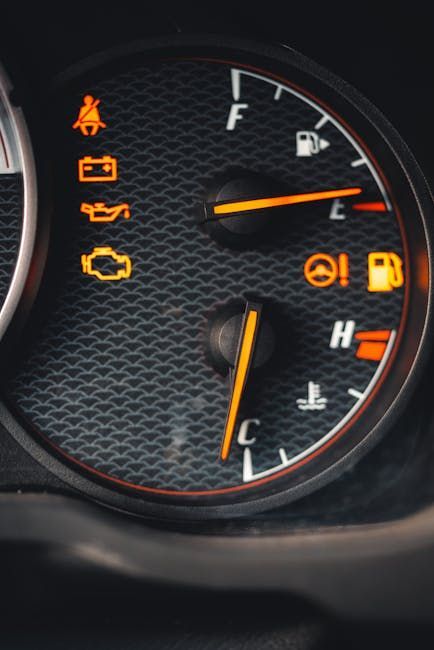
Most vehicles have two brake-related warning lights. The red BRAKE light typically indicates low brake fluid, a detected fluid leak, or that the parking brake is engaged. The amber ABS light indicates a fault in the anti-lock braking system. Neither should be ignored.
If the red BRAKE light is on and your parking brake is fully released, check your brake fluid reservoir under the hood. If it's low, that could indicate a leak somewhere in the system — and low fluid is itself a warning sign that pads may be nearing the end of their life (fluid level drops as pads wear, because the caliper pistons extend further out).
Bottom line: Red BRAKE light + parking brake disengaged = book same-day inspection. ABS light means your ABS is offline — normal braking still works, but you've lost anti-lock protection.
Schedule Your Free Brake Inspection in Jamesburg
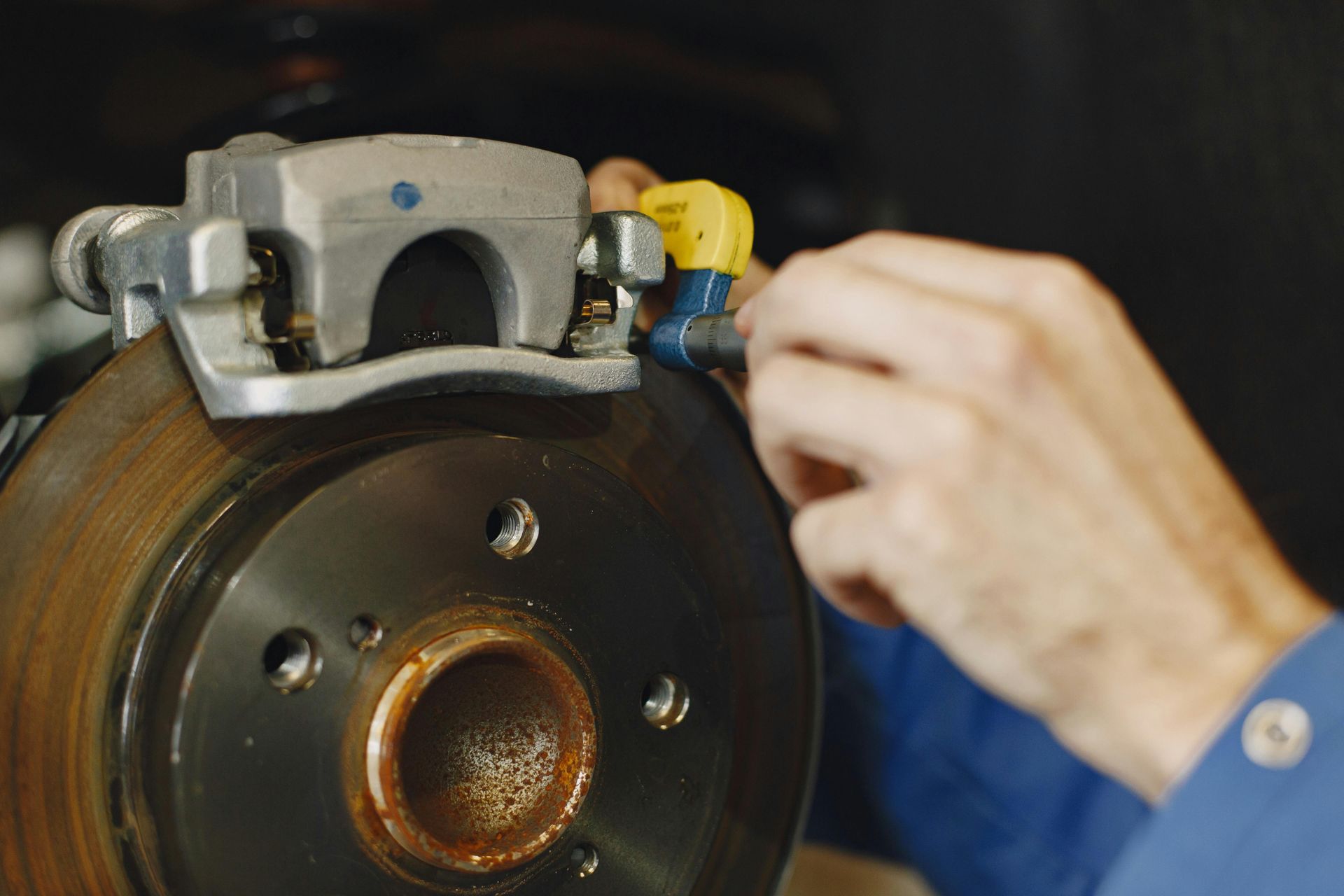
At GC Automotive & Performance, brake inspections are complimentary. We'll measure your pad thickness, inspect rotors and calipers, check your fluid condition, and give you a straight answer with no pressure. If everything looks good, we'll tell you that too.
We serve Jamesburg, Helmetta, Monroe Township, Spotswood, South Amboy, East Brunswick, and surrounding Middlesex County communities. Book online or call us at 732-605-1222.